Meet BZNC: Dr. “Betsy” Elizabeth P. Mallory

How did you get involved with BZNC?
I was introduced to BZNC through my friend, Sharon Matola, the founder of The Belize Zoo.
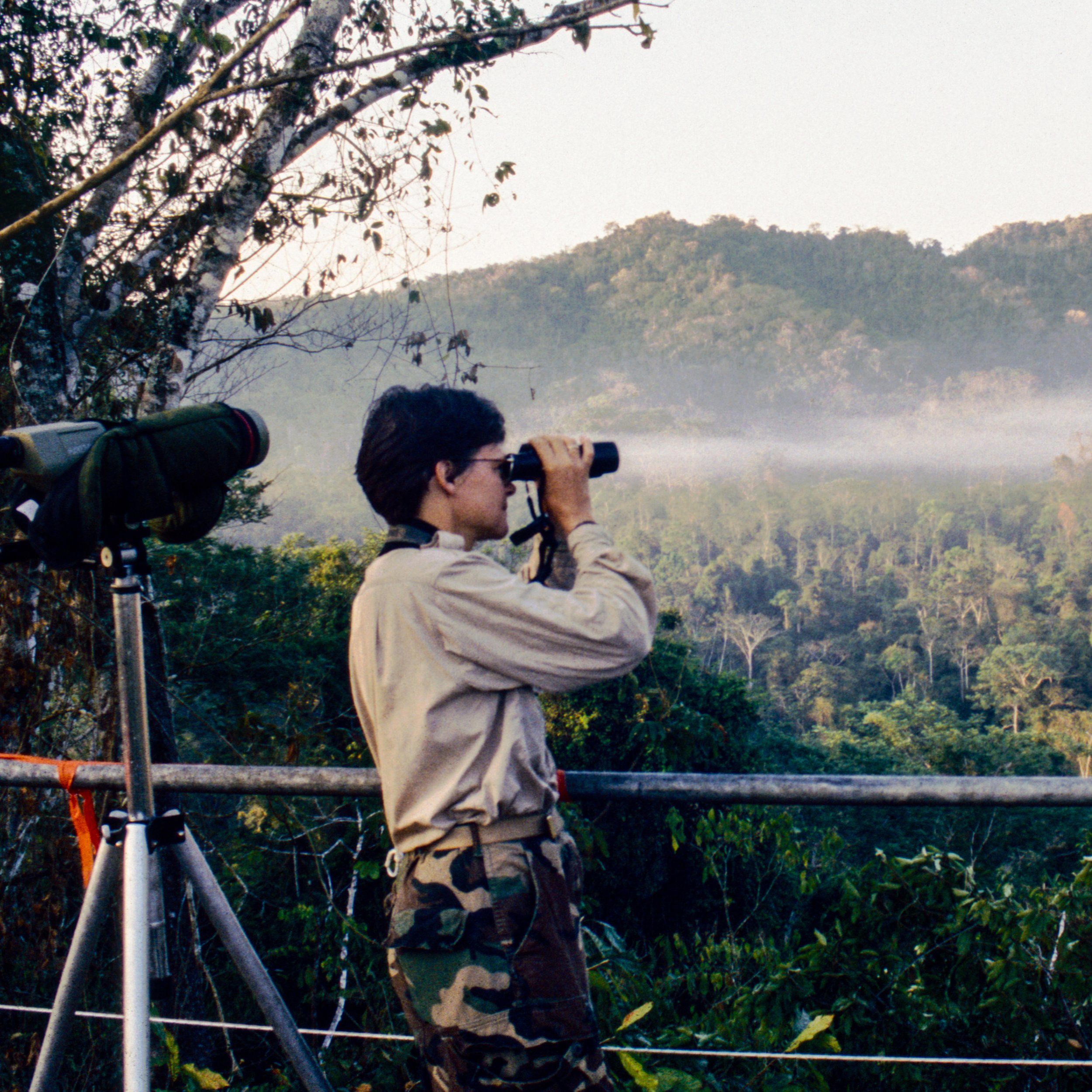
We met in 1991 as members of the first British Joint Services Expedition to the Upper Raspaculo (a remote area in the Maya Mountains). This was a rare opportunity to conduct biodiversity surveys in an area likely untouched by humans for a thousand years. The British military forces in Belize supported the 6-week expedition with personnel, helicopters, and resupplies.
Sharon surveyed mammals and I surveyed birds.
We returned in 1993 when JSSEUR built a tower so I could study Scarlet Macaws and other bird species above the forest canopy.
What BZNC initiative is the most meaningful to you?
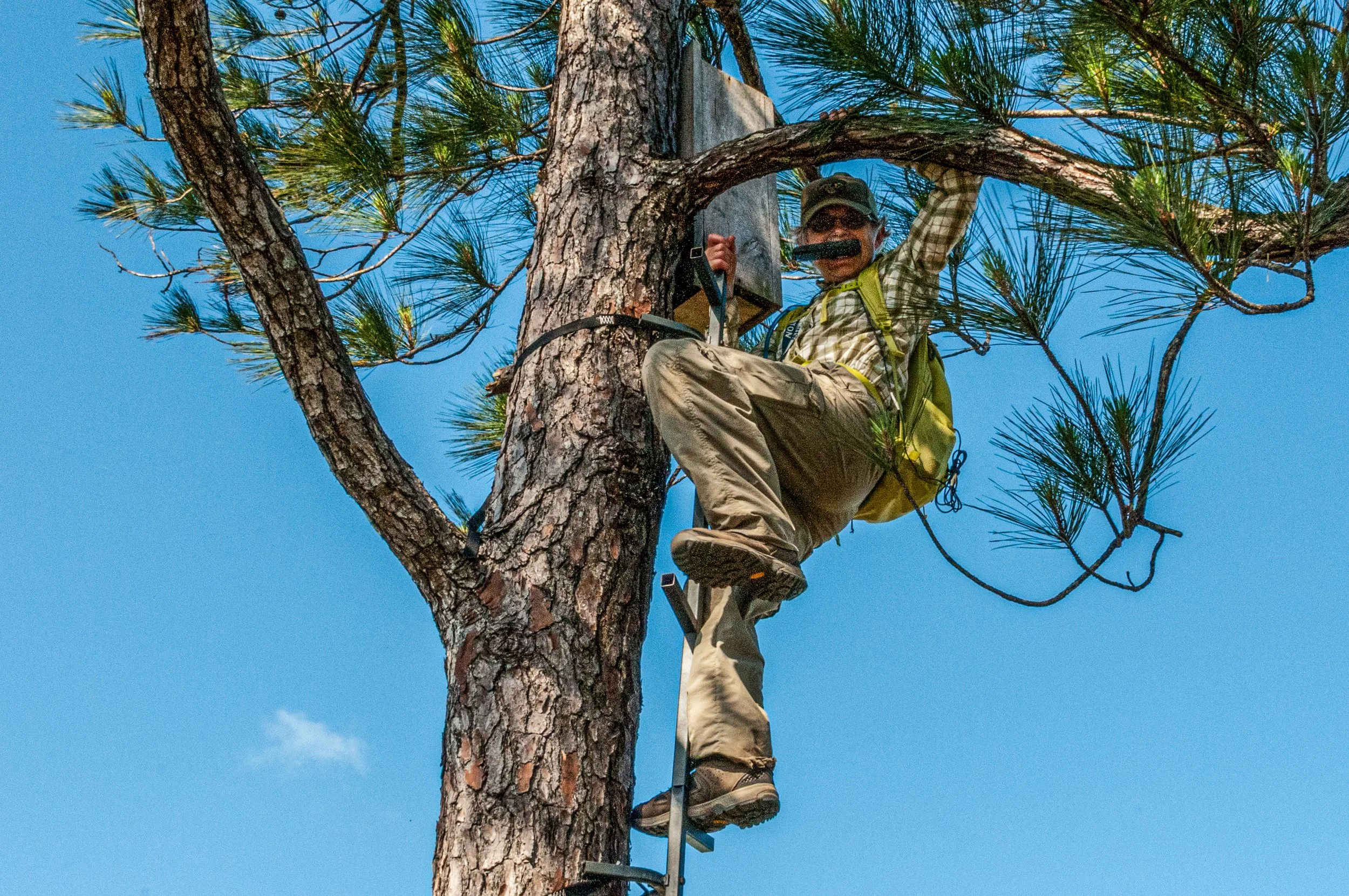
The establishment of BZNC itself has been the most meaningful to me. The Belize Zoo has been largely dependent on seasonal proceeds from visitors, foreign donations, and grants. The Belize Zoo receives no financial support from the Belize government.
BZNC was established to support the Belize Zoo’s operations and conservation projects. BZNC is a registered 501c3 organization, enabling US citizens, organizations, and foundations to contribute tax-deductible donations and grants to Belizean conservation organizations. BZNC’s role is crucial to The Belize Zoo’s continued efforts in protecting Belizean wildlife.
What do you wish more people knew about wildlife or Belize?
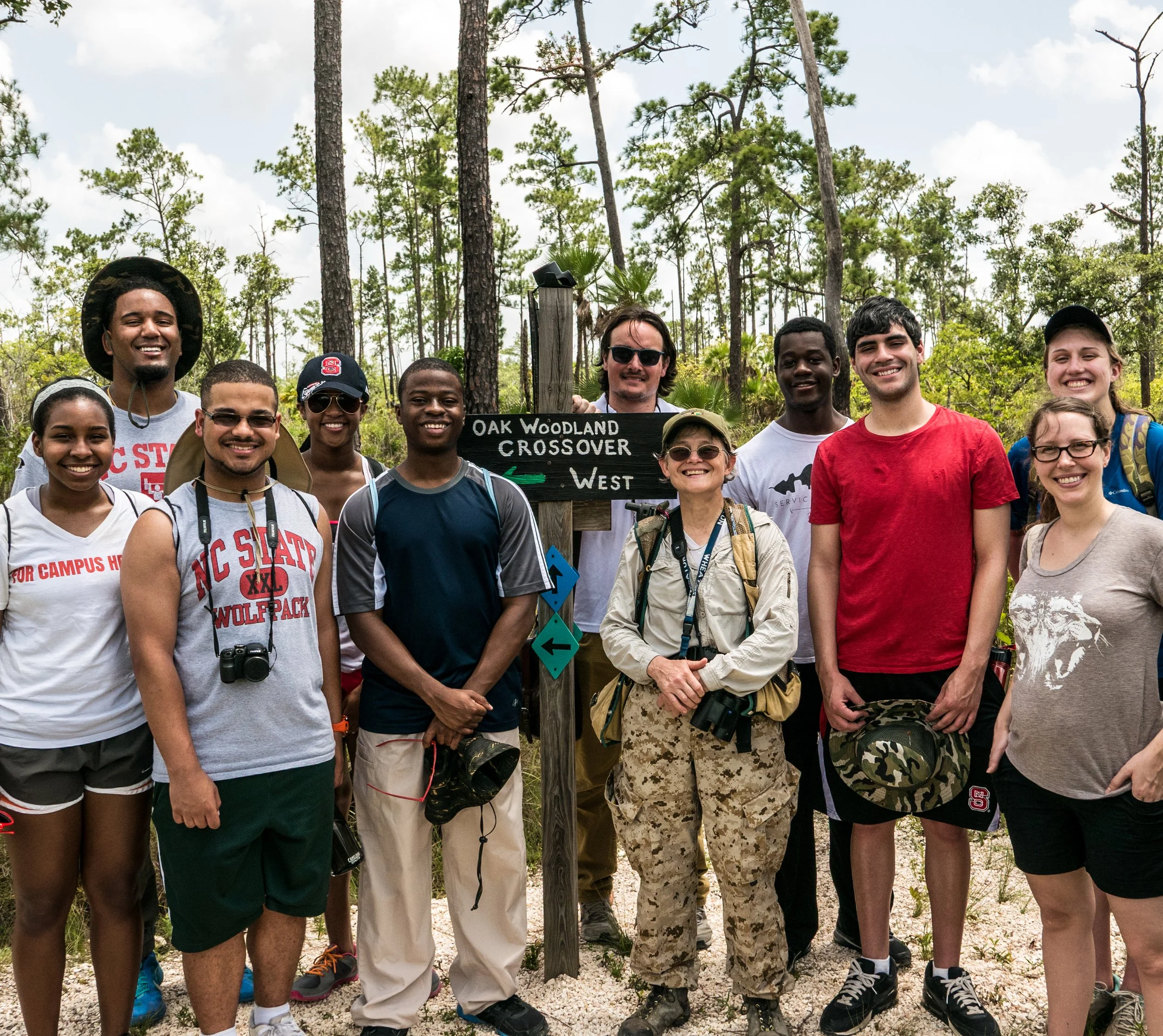
Threats to wildlife in Belize are increasing dramatically.
Belize has changed a lot since I first visited almost 40 years ago. Much of the country was inaccessible with large areas, relatively untouched, supporting healthy wildlife populations. Since then, the number of people in Belize has more than doubled and Belize's economy has become a modern service and tourism-oriented economy — GDP growth is projected around 2.2% to 2.5% in 2026.
Belize lost roughly 20% of its forest cover between 2001 and 2025 (over 350,000 hectares). Large areas of forests and wetlands are being converted to industrial and commercial farming, much due to expanding rural and Mennonite agricultural colonies. Land conversion and expanded road networks are fragmenting the natural landscape. Increasing droughts, driven by climate change, is a huge threat to many local populations of animals and plants that will have limited access to water. Protection of wildlife and their habitats is more important than ever. Time is not on their side.
Looking for more about the BZNC team? Learn more about us here.
